
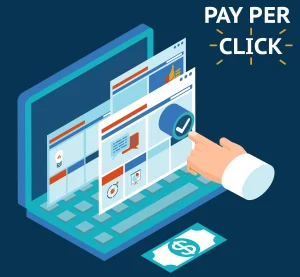
Online advertising has transformed how businesses connect with customers. Instead of waiting months for organic traffic, paid ads can bring instant visibility. PPC marketing is one of the most effective paid strategies because it delivers instant results and measurable performance.
Whether you are a business owner, marketer, or beginner, this guide will help you understand how paid advertising works, how much it costs, and how to succeed in 2026
What is PPC marketing?
PPC stands for pay-per-click. It is an online advertising model where advertisers pay only when someone clicks on their ad. Instead of paying for impressions, you pay for real interest.
Ads can appear on search engines, social media platforms, websites, and video channels. Businesses choose this model because it allows full control over budget, targeting, and performance.
How Does PPC Work?
PPC works through an auction-based system. However, when users search online or browse content, platforms decide which ads to show based on relevance and bid value.
The PPC Process
- Advertisers choose keywords or audience targets
- A bid amount is set
- Ad relevance and quality are evaluated
- Ads are displayed to users
- Payment happens only when someone clicks
High-quality ads often cost less and perform better.
Key Components of PPC
A successful campaign depends on multiple elements working together.
Keywords
Words or phrases that trigger ads when users search or browse.
Ads Copy
Short, clear messages designed to attract clicks.
Landing Page
Pages where users arrive after clicking an ad, built to convert visitors.
Quality Score
A platform metric that affects cost, visibility, and ad rank.
Benefits of PPC Marketing
Businesses prefer PPC marketing because it delivers fast and predictable results.
Major Benefits
- Instant visibility on top platforms
- Highly targeted audiences
- Full budget control
- Easy tracking and analytics
- Strong return on investment
This approach works well for both small businesses and large brands.
How Much Does PPC Cost?
There is no fixed cost. Spending depends on industry, competition, and targeting strategy.
Cost Factors
- Keyword competition
- Audience location
- Platform selection
- Ad quality score
- Campaign goals
Some clicks cost a few cents, while competitive industries may cost several dollars per click.
PPC Platforms You Should Know
Choosing the right platform is essential for campaign success. PPC marketing is most effective when platforms match business goals.
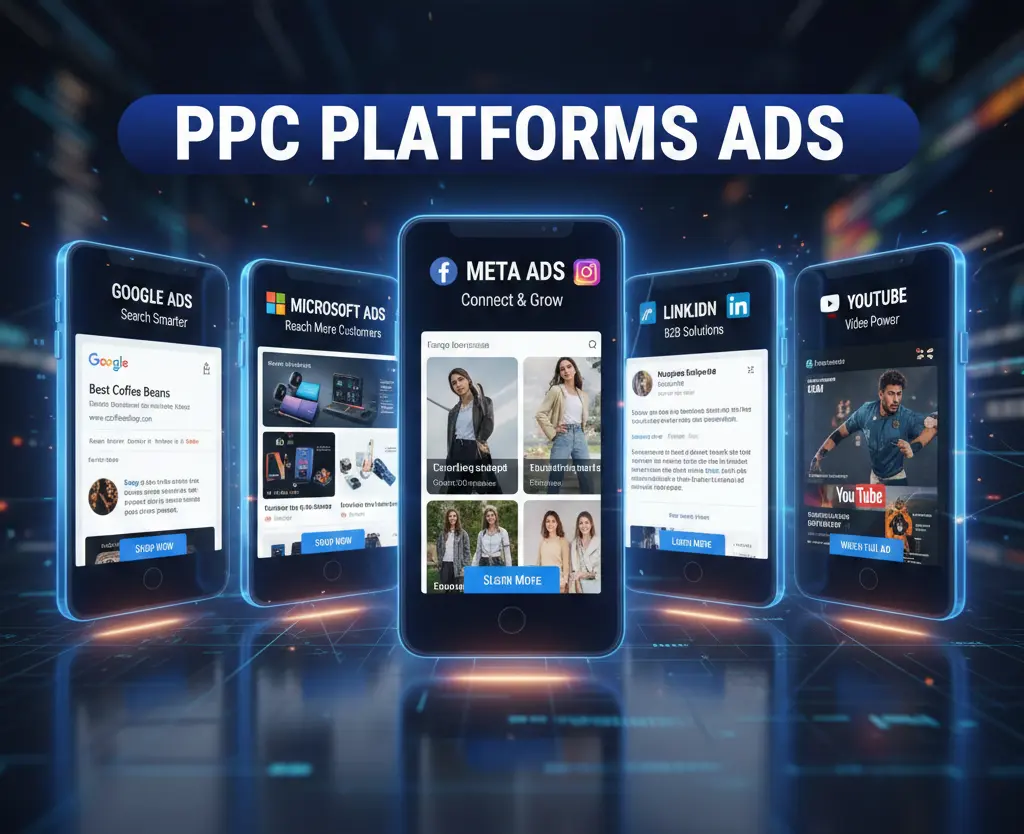
Google Ads
Best for high-intent search traffic.
Microsoft Ads
Lower competition with affordable clicks.
Meta Ads (Facebook & Instagram)
Strong for interest-based and visual targeting.
LinkedIn Ads
Ideal for B2B and professional audiences.
YouTube Ads
Great for video storytelling and brand awareness.
Types of PPC Ads
Different ad formats serve different goals.
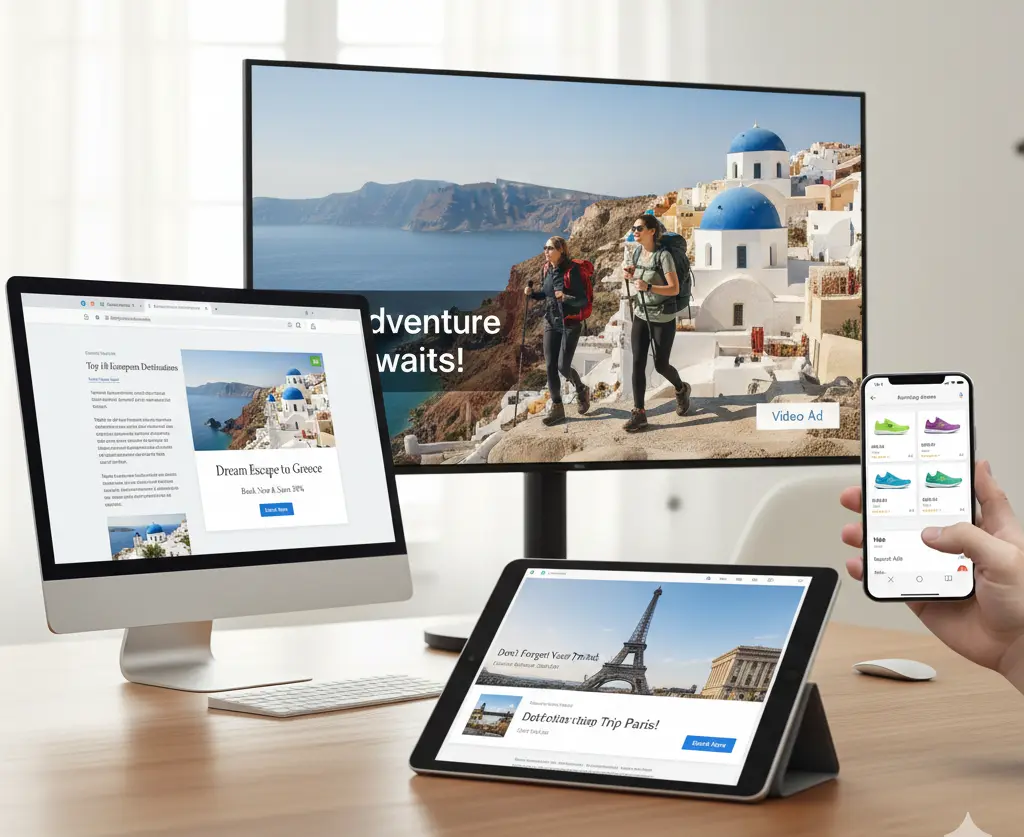
Search Ads
Text ads that appear in search results.
Display Ads
Image-based ads are shown across websites and apps.
Shopping Ads
Product-focused ads with pricing and images.
Video Ads
Short ads are shown before or during videos.
Remarketing Ads
Ads are shown to users who previously visited your site.
How to Create a Successful PPC Campaign
A well-planned campaign improves performance and reduces waste.
Step-by-Step Process
- Define clear goals
- Research keywords or audiences
- Write compelling ad copy
- Design a focused landing page
- Set bidding and budget
- Track conversions and optimize
Testing and optimization are key to success.
Advanced PPC Tips
Once basics are mastered, advanced tactics can improve results.
Optimization Techniques
- Use negative keywords
- Test multiple ad versions
- Improve landing page speed
- Segment campaigns by intent
- Focus on conversion data
Advanced strategies increase efficiency and ROI.
Common PPC Mistakes to Avoid
Many advertisers lose money due to simple errors.
Mistakes to Watch
- Targeting too many keywords
- Ignoring conversion tracking
- Sending traffic to weak pages
- Overspending without testing
- Not reviewing performance regularly
Avoiding these mistakes saves budget and improves results.
Strategies for Success 2026
Competition is increasing, so strategy matters more than spending.
Winning Strategies
- Focus on user intent
- Optimize for mobile users
- Use automation carefully
- Align ads with the customer journey
- Analyze performance data deeply
These strategies will shape PPC marketing success in the coming years.
Trends in Paid Advertising
Advertising platforms are evolving quickly.
Key Trends
- AI-powered bidding
- Privacy-focused targeting
- Video-first ad formats
- Smarter analytics tools
- Increased automation
Staying updated helps advertisers stay competitive.
The Future of PPC Marketing (2026 and Beyond)
The future of PPC marketing will focus on relevance, automation, and user experience. Platforms will rely more on machine learning, while advertisers will need a stronger strategy and creativity to stand out.
Businesses that adapt early will gain a strong advantage.
Conclusion
Paid advertising continues to be one of the fastest ways to grow online visibility. When planned correctly, PPC marketing delivers targeted traffic, measurable results, and scalable growth for businesses of all sizes.
Key Takeaways
- PPC delivers instant visibility
- You pay only for clicks
- Budget control is flexible
- Optimization improves ROI
- Strategy matters more than spending.
FAQs
Can small businesses use PPC?
Yes, it works well with proper targeting and budget control.
Is PPC better than SEO?
PPC offers instant results, while SEO is better for long-term growth.
How fast does PPC show results?
Results can appear within hours of launching ads.
Is PPC suitable for beginners?
Yes, beginners can start with small budgets and simple campaigns.